
REVIEW · BERLIN
Rickshaw Tour-Cruise Ship guests arrive 9.30 upto 11.30 am Berlin
Berlin’s major sights are spread across a wide central area, and a rickshaw lets you cover them without spending the day on foot or inside a bus. This private tour begins around Alexanderplatz and moves through the city’s royal, Nazi, Cold War, and modern landmarks, with your guide handling the route and the traffic.
I like the door-to-door pickup and the chance to stop for photos almost anywhere. I also like the easy pace for anyone who finds long walks difficult, especially since a walker can come along and the rickshaw can pull close to monuments. The main drawback is time: three hours gives you a strong overview, but most stops are brief and museum interiors are not part of the tour.
Key points to know before booking
- A private Berlin overview: The price is $264.35 for up to two people, so the tour works best for couples or companions who want a personal route.
- A flexible starting point: Pickup is offered at your hotel or another agreed meeting point, with cruise ship pickup listed between 9:30 and 11:30 in Berlin.
- Major sights without a long walk: You can reach Alexanderplatz, Museum Island, Checkpoint Charlie, Potsdamer Platz, the Holocaust Memorial, Brandenburg Gate, and the Reichstag area in one outing.
- Guides with a personal style: Levent Aydin, Gregor, and Levi are named in the experience information, and the feedback describes friendly storytelling, humor, and careful driving.
- Useful for limited mobility: You enter the rickshaw in only a few steps, and the vehicle can carry a walker.
- Three hours is an overview: Expect exterior sightseeing and short stops, not full museum visits or lengthy time at each monument.
Why a Berlin rickshaw works so well
Berlin is not a compact old town where you can simply wander from one sight to the next. Alexanderplatz, the Brandenburg Gate, Checkpoint Charlie, and Potsdamer Platz all sit within central Berlin, but the distances between them can eat up much of a day.
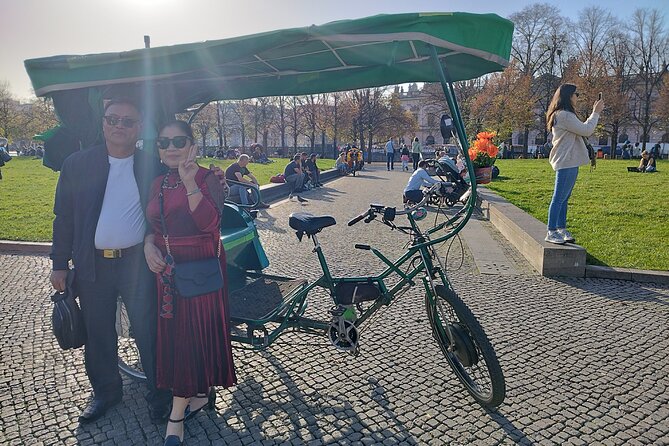
A rickshaw solves that problem in a pleasantly low-key way. You sit close to street level, see the city as you move, and can stop when a building or memorial deserves a closer look. You also avoid the fixed route of a sightseeing bus. The driver can adjust the ride to your interests, available time, and comfort.
The tour is private, so you are not sharing the vehicle with strangers. That matters here because the route is designed as an a la carte experience. You can focus on the main historical sights, ask for more time at places that interest you, or request a route with fewer stops and less walking.
Guides associated with the experience include Levent Aydin, Gregor, and Levi. The supplied feedback gives special attention to the guides’ storytelling, humor, punctuality, and ability to explain why a site matters rather than simply naming it. Gregor, in particular, is praised for reaching more places in four hours than a later bus tour, partly because the rickshaw can use paths and park routes that larger vehicles cannot.
A few more shore excursions around Berlin worth a look
- All-in-One Berlin Shore Excursion from Warnemunde
★ 4.5 · 293 reviews - Deluxe Berlin: Hassle-Free Shore Tour from Warnemunde Cruise Port
★ 4.5 · 82 reviews - Explore Berlin Shore Excursion: Top Attractions Private Tour from Warnemuende
★ 5.0 · 41 reviews
Alexanderplatz to Museum Island
The ride begins at the Berliner Fernsehturm, Berlin’s famous television tower on Alexanderplatz. The tower is Germany’s tallest structure and an easy landmark for starting a city tour.
From here, you pass the Red Town Hall, Marien Church, and Neptune Fountain before reaching Museum Island. This opening stretch gives you a quick introduction to the different layers of Berlin: modern city life around Alexanderplatz, older civic buildings, and the grand museum district farther west.
The stop at the TV Tower is mainly an exterior viewing point. Admission to the tower is not included, and the itinerary allows only about five minutes here, so do not book this tour expecting time to go up the tower. The value is orientation and a good first photograph.
Museum Island deserves more attention than ten minutes can provide, but even a short stop is useful. The UNESCO-listed complex includes the Berlin Cathedral, the Old Museum, the Old National Gallery, the Pergamon Museum, and the Bode Museum. You also see the restored City Palace area and Unter den Linden, Berlin’s great ceremonial boulevard.
This is one of the places where the rickshaw has an advantage over a walking tour. You get a quick look at a large collection of landmarks without using your energy before the more difficult memorial sites later in the route.
Museum admission is not included, and this is not an indoor museum tour. If you want to see the collections, treat this ride as an introduction and return later with a separate ticket and several hours to spare.
Bebelplatz and Berlin’s royal center
The route continues along Unter den Linden to Bebelplatz, part of the Forum Fridericianum. Around the square are the State Opera, Humboldt University, the State Library, and St. Hedwig’s Cathedral.
Bebelplatz is remembered for the Nazi book burning of May 10, 1933. The memorial is set into the pavement, making it easy to miss if you are rushing through the square. Your guide can point out the underground room of empty bookcases, a quiet reminder of the 25,000 books burned there.
This stop is short, but it carries real weight. Berlin’s memorials often work through absence and understatement rather than grand statues. A guide helps you notice that difference and connect the square’s elegant architecture with the political events that took place there.
You then reach Gendarmenmarkt, one of Berlin’s most impressive urban squares. The former Royal Concert Hall sits between the German Cathedral and French Cathedral. The square is currently subject to changes and restoration from time to time, so the exact presentation may vary, but the architectural arrangement remains a central sight.
The ten-minute stop is enough for a quick look and photographs. It is not enough for a slow architectural study, so use your time well. Ask your guide to point out the three main buildings and then take a few minutes to look across the square before moving on.
Checkpoint Charlie and the former border strip
Checkpoint Charlie was one of the best-known crossing points through the Berlin Wall. During the Cold War, it marked a tense passage between East and West Berlin and became a symbol of the city’s division.
Today, the site is a busy sightseeing stop with a replica guardhouse and a strong commercial presence around it. That can make the location feel less solemn than its history suggests. Still, it is worth seeing because it helps you understand how sharply Berlin was divided and why this crossing became so famous.
The planned stop is about five minutes. That is enough to take photographs and hear the key facts, but not enough to study the wider history in detail. If the Berlin Wall is your main interest, tell the guide early. The route can be adjusted, and a longer tour may give you more time for original wall sections and places such as the East Side Gallery.
Near the former border strip, you pass the Topography of Terror documentation center. It occupies the site of the former SS and Gestapo headquarters and examines Nazi persecution and state terror. Original parts of the Berlin Wall remain nearby, giving you a direct link between the Nazi period and the later division of Germany.
Martin-Gropius-Bau is also in this area, along with the former Prussian Parliament building. The exhibitions change, so the rickshaw stop is best treated as an exterior orientation unless you arrange a longer visit to the museum separately.
Same port, a different day ashore:
- Private All-in-One Berlin Shore Excursion from Warnemünde Port
★ 5.0 · 35 reviews - Warnemuende Shore Excursion: Private Berlin Tour
★ 4.5 · 27 reviews - Deluxe Berlin Tour from Warnemunde or Rostock Cruise Port
★ 4.5 · 11 reviews - Deluxe Shore Excursion to Berlin from Warnemunde Cruise Port
★ 5.0 · 9 reviews
Potsdamer Platz and the Holocaust Memorial
Potsdamer Platz shows how dramatically Berlin changed after reunification. The area was once divided by the Wall and later became a huge building site, filled with offices, shops, and modern towers. The Sony Center is the most recognizable part of the modern complex.
The contrast here is useful. Within a short ride, you move from the remains of a former border zone to a district built to express a new Berlin. You may like this stop if modern architecture interests you, though visitors focused only on old monuments may find the skyscrapers less compelling.
The Holocaust Memorial follows. Its official name is the Memorial to the Murdered Jews of Europe, and it commemorates the murder of more than six million Jews under National Socialism.
The field of concrete slabs is powerful, but it needs quiet attention. The ground changes as you walk between the blocks, and the space feels different from each angle. The tour allows about ten minutes, which is enough to enter the memorial and take in its scale, but not enough to visit the underground information center.
That distinction matters. The exterior memorial is free, while the information center provides a much fuller account of individual lives and the machinery of persecution. If you want that part, plan a separate visit. During the rickshaw tour, your guide’s explanation gives you essential context without requiring a long walk.
Brandenburg Gate and the government district
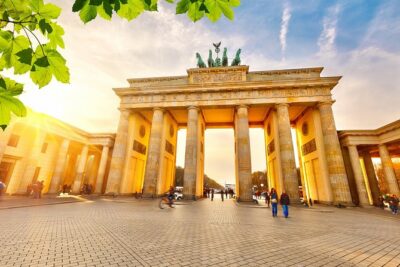
Brandenburg Gate is the route’s most famous photograph. The neoclassical gate once marked the edge of the city, later became a symbol of Berlin’s division, and now represents reunified Germany.
The area around it can be crowded, but the rickshaw gets you close enough for a quick stop. You have about ten minutes, so expect photographs and a concise explanation rather than a long visit.
From here, the tour moves toward the Reichstag and the government district. You also pass the Memorial to the Murdered Sinti and Roma, which honors the Sinti and Roma people murdered under Nazi rule. It is a smaller, quieter memorial near the Reichstag and easy to overlook without a guide.
The Reichstag is Germany’s parliament building, known for its glass dome and prominent position beside the Spree. The tour takes you to the building from the outside. Entry to the dome is not included, and the itinerary does not provide time for a security check or interior visit.
This section packs several major subjects into a small area: Nazi persecution, the Holocaust, the postwar division, reunification, and Germany’s present government. I appreciate that the route does not treat Berlin as only a postcard city. The buildings are attractive, but the stories behind them are the real reason to pay attention.
The Führerbunker site and Unter den Linden
The stop at the Führerbunker site is brief and exterior only. The bunker itself is not presented as a visitor attraction, and there is no admission included. The importance comes from understanding the location and its connection to the final days of the Nazi regime.
This is another place where a guide helps keep the focus on history rather than spectacle. The site is intentionally modest, and you may otherwise pass it without realizing what happened there.
The route then returns along Unter den Linden, the old royal street. This boulevard links many of the city’s best-known buildings, including the Opera House and the cathedral area. Seeing it by rickshaw gives you a useful sense of how the central districts connect.
The Berliner Dom is the final named stop, with about ten minutes to see the cathedral from outside. Its dome and grand facade make it one of the easiest buildings to recognize from the street. Admission is not included, so you will need a separate visit if you want to enter.
The exact sequence can change. The operator says the guide can tailor the beginning and update the route, so your actual ride may not follow every stop in the same order. That flexibility is helpful, especially for cruise ship passengers working within a narrow arrival window.
Three hours, four hours, or a full day
The advertised experience lasts about three hours, while the route description also discusses two-hour and four-hour options. That means you should confirm the length you are booking and the sights you most want to see.
A two-hour ride is designed for the central historical highlights. It can work well if you have a short port call or want a quick orientation before exploring independently.
Three hours gives you a more relaxed overview, but the listed stops still involve many major sites. You will see a great deal from the rickshaw, with short pauses for photographs and explanations. You should not expect long visits inside museums or memorial information centers.
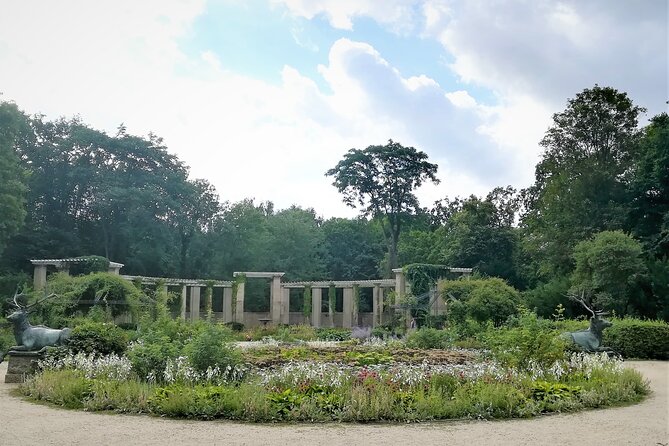
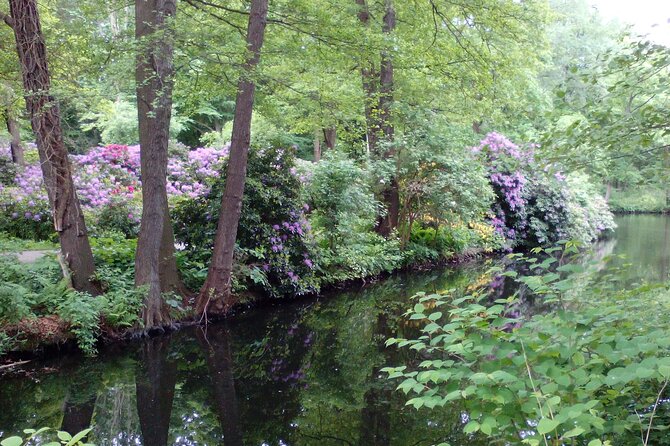
A four-hour option adds more space for Tiergarten Park and the River Spree. The park is one of the places where a smaller vehicle can offer a different view from a bus or car, and the route can include sights between the major landmarks.
A full-day booking is aimed at people who want more control. You might combine the central highlights with lesser-known areas, the East Side Gallery, museum access, or a route built around a particular interest. The longer format costs more, but it also reduces the pressure to rush from one landmark to the next.
Price, comfort, and who gets the best value
The price is $264.35 per group of up to two people. That is not a cheap hop-on ride, but it can be fair value if you want a private guide, hotel pickup, flexible stops, and a single outing that links most of Berlin Mitte’s major sights.
For two people, the cost is easier to justify because you are paying for the vehicle and guide rather than two standard seats on a large group tour. It is less attractive if you only want a few landmarks or plan to spend most of the day inside museums.
The rickshaw includes a cozy blanket and drinks such as bottled water, Berlin sparkling wine, Berlin beer, or soft drinks. Those touches are useful on a cold day, and one account describes a particularly icy outing where the blanket and careful service made a difference.
The experience can also suit less mobile visitors. You enter in only a few steps, the rickshaw can carry a walker, and the guide can stop close to monuments for photographs. You still need to communicate your needs before pickup, since the tour involves getting in and out and moving through city traffic.
Pickup is offered from your hotel or another agreed meeting point. Cruise ship passengers should pay close attention to the stated 9:30 to 11:30 arrival window and allow enough time for the ride back to the ship. The tour finishes at the meeting point unless a different arrangement is made.
Free cancellation is available up to 24 hours before the start time. Changes or cancellations inside that window are not accepted for a refund.
The best way to use your three hours
Before the guide arrives, choose your priorities. If this is your first time in Berlin, the standard central route gives you a strong foundation. If you already know the Brandenburg Gate and Checkpoint Charlie, ask for more time in Tiergarten, along the Spree, or at original Wall remains.
Keep your camera ready, since the rickshaw can stop for quick photographs but will not linger at every site. Comfortable clothing matters too, even though you are not walking the whole route. You sit outside, and the blanket is welcome in cool weather.
Ask for historical context as you go. The best part of this experience is not simply reaching thirteen named locations. It is hearing how the imperial city, Nazi capital, divided city, and reunified capital occupy the same streets.
Should you book this Berlin rickshaw tour?
Book it if you want a private, flexible overview of central Berlin, especially if you have limited walking time, a mobility concern, or a cruise schedule to manage. It is also a good first-day choice because it helps you decide which places deserve a longer return visit.
I would skip it if your main goal is detailed museum time, a long visit inside the Reichstag, or a slow study of one memorial. The three-hour format moves quickly, and admission tickets are not included.
For two people who value personal guiding and easy access, the price can make sense. Choose the four-hour or full-day format if you want Tiergarten, the Spree, the East Side Gallery, museum visits, or time for Berlin’s less obvious corners.
FAQ
How long does the rickshaw tour last?
The listed tour lasts approximately three hours. The operator also describes two-hour, four-hour, and full-day formats, so confirm the exact duration when booking.
Where does the tour start?
Pickup is offered from your hotel or a designated meeting point. Cruise ship guests are listed for pickup between 9:30 and 11:30 in Berlin.
Does the tour return to the starting point?
Yes. The activity ends back at the meeting point unless another arrangement is made.
Is the tour private?
Yes. Only your group participates.
How many people can ride?
The listed price covers up to two people. For three or four people, two rickshaws are provided. For five or six people, three rickshaws are arranged. Larger groups should contact the operator for more vehicles.
Are museum and monument admission fees included?
No. Admission to the Berliner Fernsehturm is not included, and the tour does not include museum or interior entry fees. The listed outdoor stops have no admission charge.
Is the tour suitable for someone with limited mobility?
The operator describes it as suitable for less mobile visitors. You enter the rickshaw in a few steps, a walker can be carried, and the vehicle can stop close to monuments. It is best to explain your needs when arranging pickup.
What is included in the price?
The tour includes a cozy blanket and drinks such as bottled water, Berlin sparkling wine, Berlin beer, or soft drinks. Tips are not included.
Can I cancel for a full refund?
You can cancel at least 24 hours before the start time for a full refund. Cancellations or changes made less than 24 hours before the start time are not accepted for a refund.
Just added around Berlin
- Warnemuende Shore Excursion: Private Berlin Tour★ 4.5 · 27 reviews
- Deluxe Berlin Tour from Warnemunde or Rostock Cruise Port★ 4.5 · 11 reviews
- Best Berlin Shore Excursion from Warnemunde Rostock Cruise Port★ 3.0 · 2 reviews
- Warnemuende Shore Excursion: Berlin Private Sightseeing Tour from Rostock★ 5.0 · 4 reviews
- Group Driving Tour 1 to 6 people. Berlin Shore Excursion incl pick-up at Port★ 5.0 · 8 reviews
- Semi-Private Berlin Highlights Shore Excursion from Warnemünde and Rostock Port★ 5.0 · 6 reviews
- Full Day Tour of Berlin from Warnemunde and Rostock Cruise Port★ 4.5 · 8 reviews
- Best Berlin Shore Excursion from Warnemunde, Rortock Cruise Port★ 4.5 · 6 reviews
Berlin Shore Excursions, compared.
All-in-One Berlin Shore Excursion from Warnemunde
Read our review →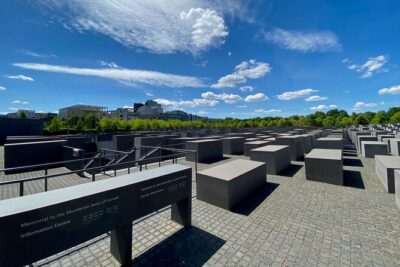
Deluxe Berlin: Hassle-Free Shore Tour from Warnemunde Cruise Port
Read our review →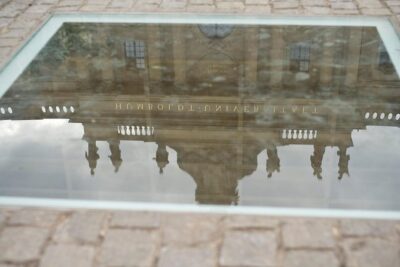
Explore Berlin Shore Excursion: Top Attractions Private Tour from Warnemuende
Read our review →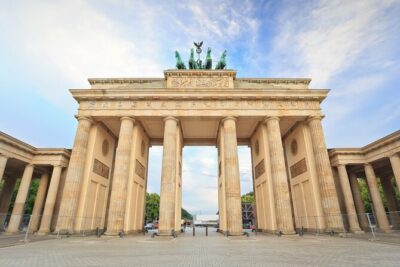
Private All-in-One Berlin Shore Excursion from Warnemünde Port
Read our review →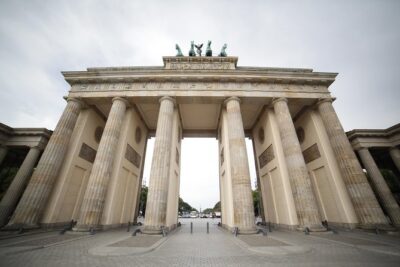
Warnemuende Shore Excursion: Private Berlin Tour
Read our review →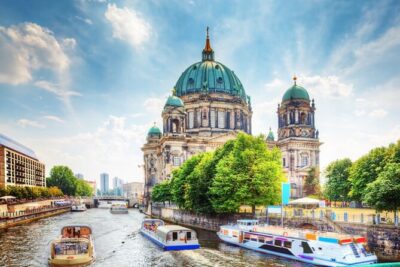
Deluxe Berlin Tour from Warnemunde or Rostock Cruise Port
Read our review →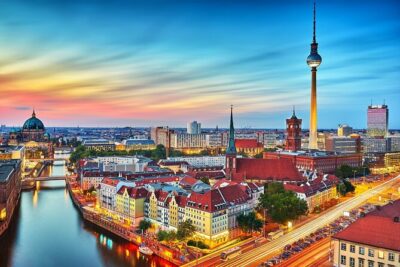
Deluxe Shore Excursion to Berlin from Warnemunde Cruise Port
Read our review →
Full Day Tour of Berlin from Warnemunde and Rostock Cruise Port
Read our review →Browse the lists this tour appears in