
REVIEW · NATIONAL PARKS
From Port Arthur: Tasman Island Wilderness Cruise
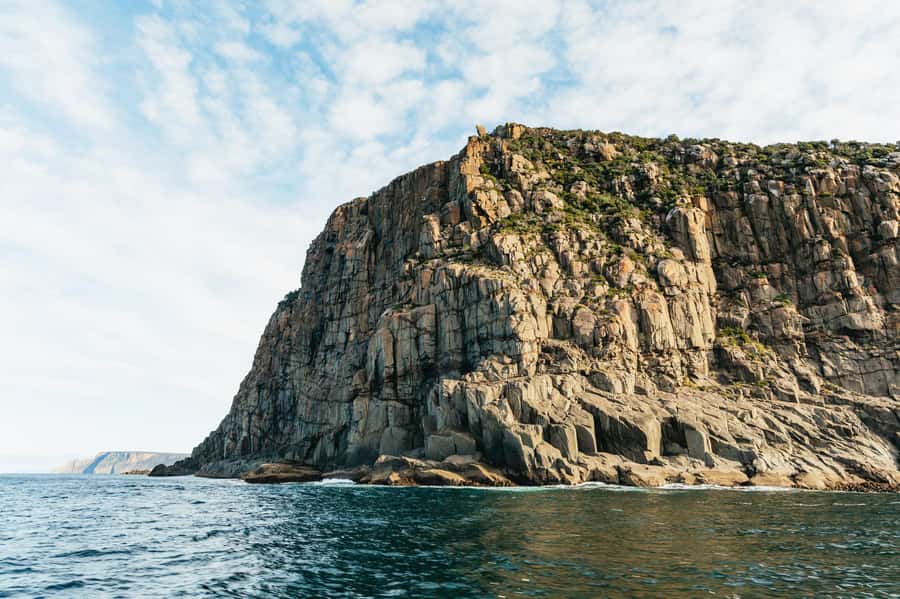
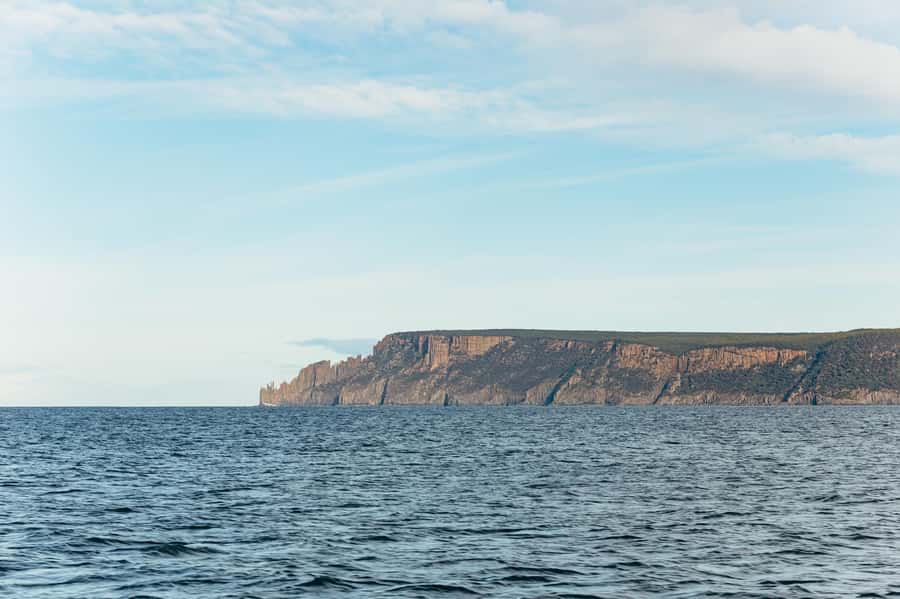
The great draw here is the chance to run beneath the highest vertical sea cliffs in the Southern Hemisphere, then nose toward caves, arches, waterfalls and blowholes along Tasmania’s rough southern coast. You are not simply looking at the cliffs from shore. You are down at water level, where the rock feels enormous.
I like two things especially: the boat gets you close to the geology, and the crew works hard to find wildlife without turning the trip into a dull sightseeing loop. Seals, dolphins, albatross, sea eagles, cormorants and migrating whales are all possible. The trade-off is clear: this is a fast, exposed ocean ride, not a calm harbor cruise. Cold wind, spray and motion are part of the deal.
Key points
- Cape Pillar from sea level: See Tasmania’s tallest sea cliffs from beneath their vertical faces.
- Wildlife-rich waters: Look for seals, dolphins, albatross, whales and thousands of seabirds.
- A lively boat ride: The open-air, tiered seating gives you wide views, with plenty of movement on the open sea.
- Weather shapes the route: Wind and swell can change where the boat goes, and some departures may leave from Pirates Bay.
- Bring serious warm clothing: A supplied waterproof coat helps, but you still need layers, gloves and a warm hat.
- Strong value at $127: Three hours on a small wilderness boat covers a long stretch of otherwise difficult-to-see coast.
Why this Tasman coast cruise is different
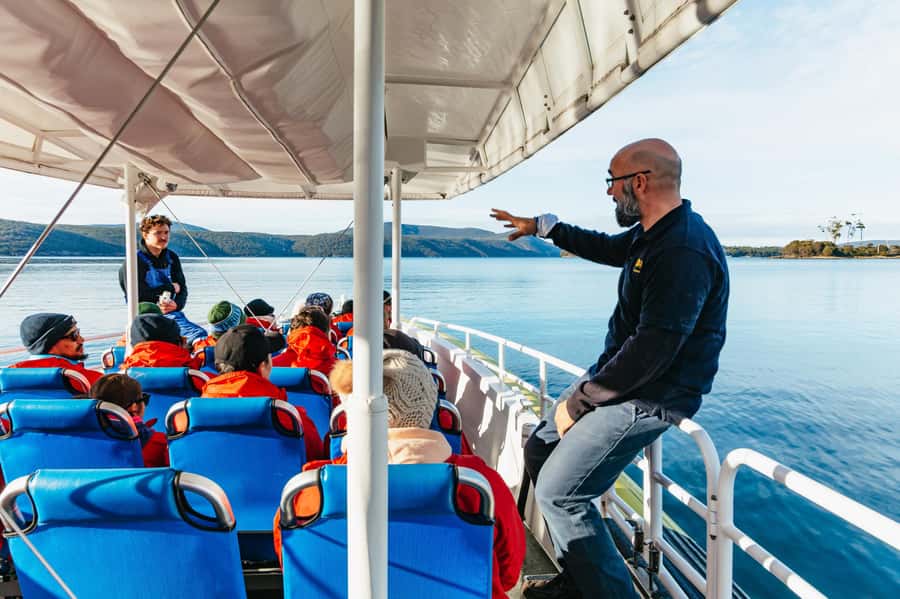
The Tasman Peninsula is best known from land for Port Arthur, short walks and cliff-top viewpoints. This cruise shows you the other side of the peninsula. From the water, the coastline becomes a chain of walls, ledges, cracks, caves and offshore rock towers.
The route runs between Port Arthur and Eaglehawk Neck, with the Tasman National Park forming the backdrop. The exact path depends on the sea. On a calm day, the boat can work into caves and around rock formations. In rougher conditions, the crew may choose a more sheltered route or adjust the trip for safety.
That uncertainty is part of the appeal. You are not getting a fixed ride past the same five photo stops. The ocean decides what is practical, and the skipper’s judgment matters. Several guides have been praised for combining careful boat handling with clear explanations and humor. Names mentioned on different departures include Tim, Damo, Hamish, Kane, Andrew, Tom, Lily and Jo, though your crew will vary.
More National Park Trips in Australia:
- Tasman Peninsula Wilderness Cruise from Port Arthur
★ 5.0 · 285 reviews - Hobart: Mt Field National Park & Wildlife Shore Excursion
★ 4.0 · 6 reviews - Hilo Shore Excursion: Volcanoes National Park & Black Sand Beach
★ 4.5 · 2,338 reviews
From check-in to open water
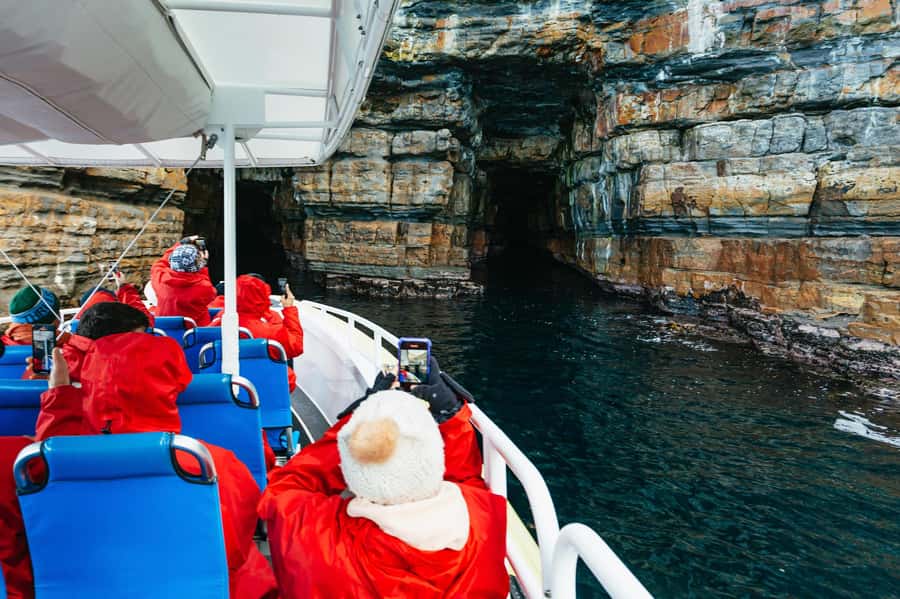
You meet at the Tasman Island Cruises office. Allow for a short transfer to the boat, as one departure includes about a 20-minute bus ride before boarding. The check-in process is described as simple, and the staff provide a full-body waterproof jacket before you head out.
That jacket is useful for more than rain. At speed, spray can reach the boat, and the wind feels much colder than it does on shore. The coat blocks water and wind, but it does not replace warm clothing underneath.
The boat has covered, tiered, open-air seating. This setup gives you a broad view rather than placing you inside a sealed cabin behind windows. You can keep watching the cliffs and birds as the boat moves, and the raised rows help with sightlines.
There is a practical choice to make when you sit down. The front gives you an exciting view and a stronger sense of the motion, but it can be wetter and bumpier. The back may feel steadier for anyone prone to seasickness. One useful tip from experience on this route is to avoid bringing a large bag, since storage space is limited.
Cape Pillar and the tallest cliffs
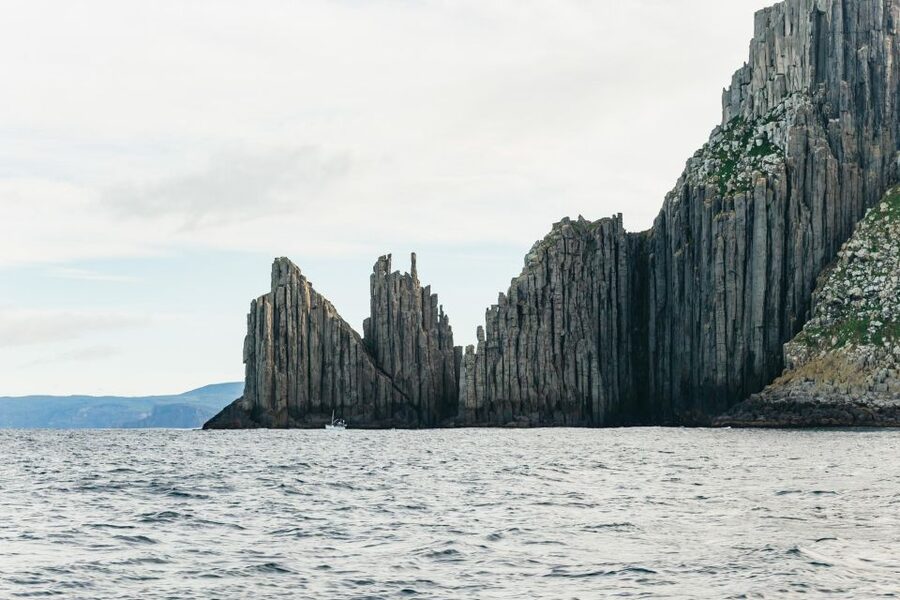
The most impressive section is Cape Pillar, where the cliffs rise sharply from the sea. Seen from below, their height is hard to judge at first. As the boat moves closer, the scale becomes obvious: the rock walls keep rising above you while the water drops away beneath the boat.
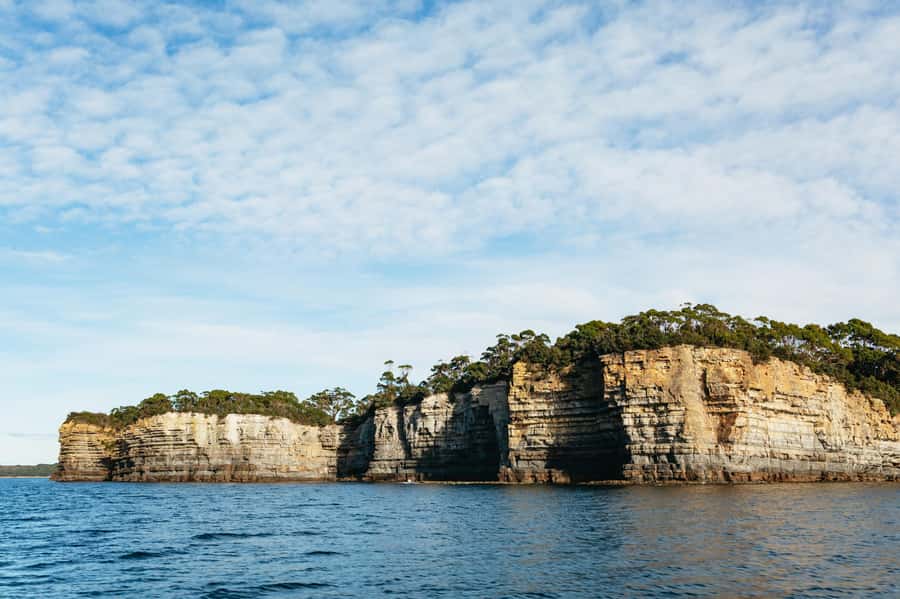
This is the point where the trip earns its price. A land viewpoint gives you a fine panorama, but the boat lets you study the cliff face from its base. You can see the layers, cracks and weathered edges that are easy to miss from above.
The skipper may slow near notable formations and explain what you are seeing. The commentary adds useful context, though sound can be difficult at the front when the boat is moving or the wind picks up. If hearing every word matters to you, sit near the guide rather than at the far end of the boat.
The cliffs also give the crew a reason to keep the boat moving at a measured pace in places. This is not a stop where you get off. Your opportunity is to watch, photograph and listen while the boat holds position or passes close by.
Caves, arches, waterfalls and blowholes
The route’s rock formations give the cruise variety. After long stretches of open coast, the boat can turn toward an archway or cave entrance. The change in scale is striking. Outside, you have huge views and wind. Inside or near the rock, you hear the water working against the walls.
The boat may approach deep sea caves and openings when swell conditions allow. You should not expect every departure to enter every formation. A rough sea can make a cave unsafe or simply impossible to reach, and the route may change for good reason.
Waterfalls add another detail to the cliffs, especially when water runs down from the land into the sea. Blowholes and narrow gaps show how the coastline has been shaped by waves over time. I like this part because the scenery is active rather than static. Water moves through the caves, spray rises around the rocks, and the boat responds to the swell.
The ride can become quite lively as the boat passes outcrops and works across open water. Some people describe it as closer to a jet boat ride than a gentle cruise. If you want a smooth, slow trip with little movement, this is probably the wrong excursion.
A few more shore excursions around Australia worth a look
- Daintree Rainforest, Mossman Gorge Small-Group from Port Douglas
★ 5.0 · 2,326 reviews - Calypso Outer Great Barrier Reef Cruise from Port Douglas
★ 5.0 · 1,385 reviews - Daintree, Cape Tribulation & River Cruise from Port Douglas
★ 5.0 · 797 reviews - Quicksilver Great Barrier Reef Snorkel Cruise from Port Douglas
★ 4.5 · 782 reviews
Seals, dolphins and ocean birds
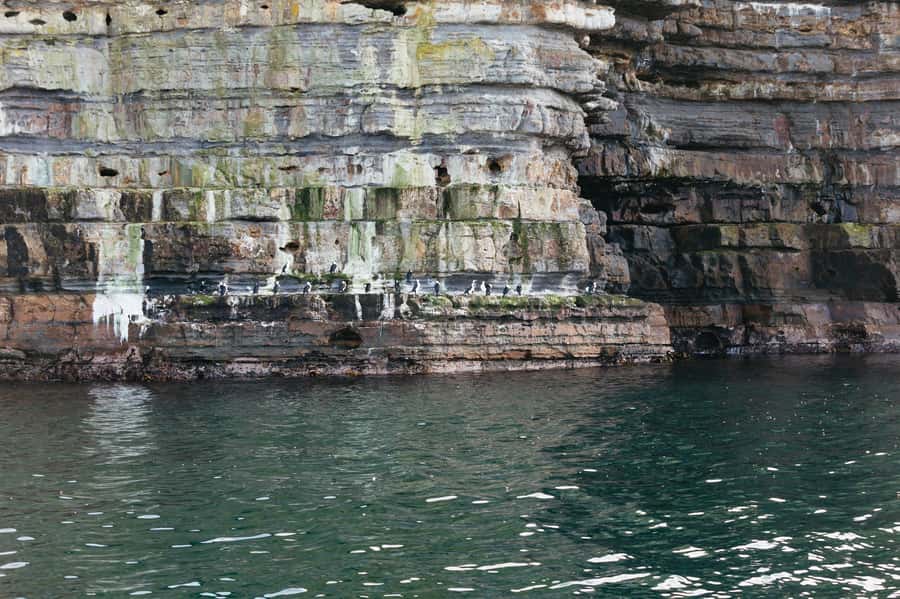
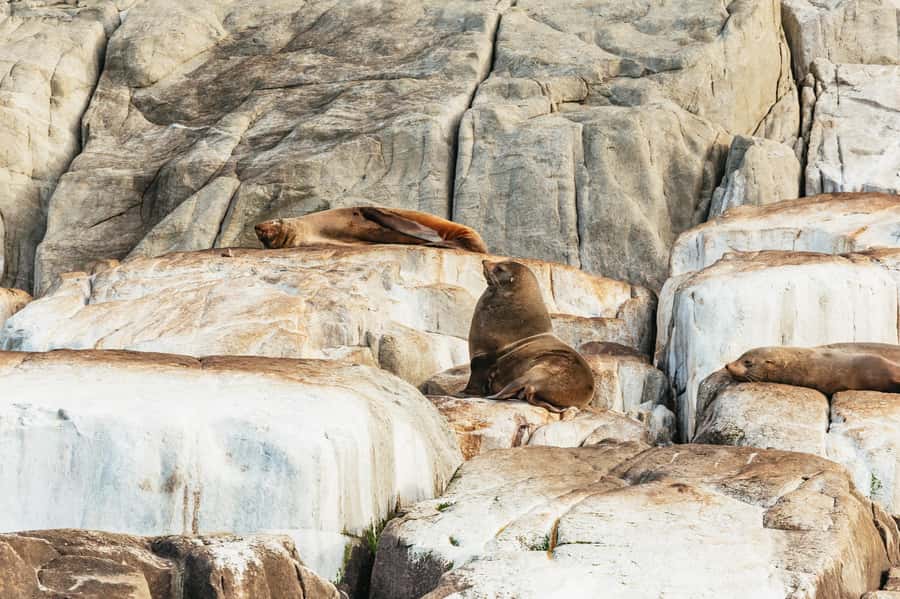
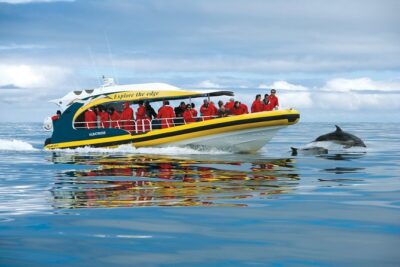
Wildlife is a major reason to choose this outing, but it cannot be guaranteed. The crew may find hundreds of seals resting near the rocks, and some departures have seen pups among them. The boat also looks for dolphins, which can appear near the vessel and sometimes surf the bow wave.
Dolphins are among the most memorable possibilities because they can change the mood of the whole ride. A quiet stretch of coastline suddenly becomes a fast-moving wildlife scene. The crew may turn the boat so people on both sides can see, rather than leaving one part of the boat with the only good view.
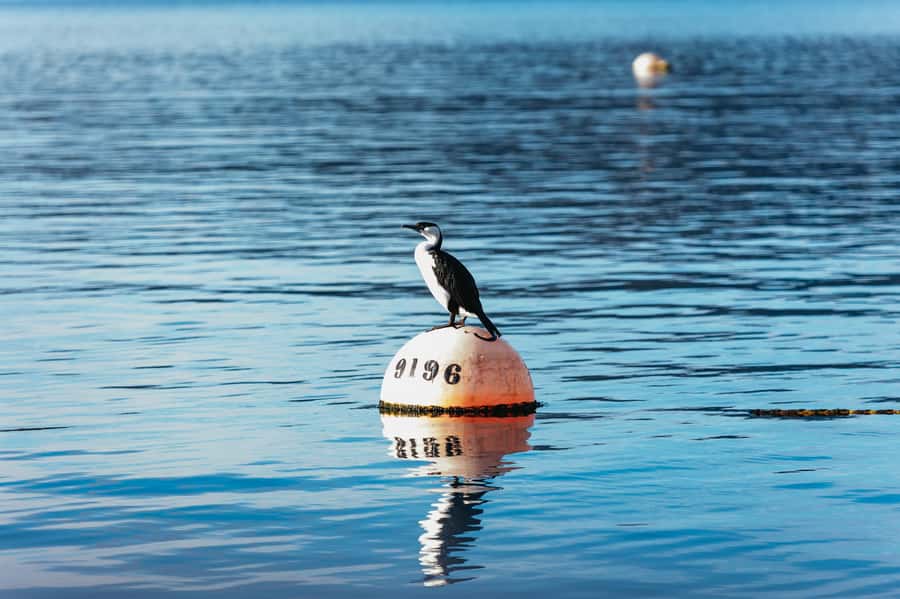
Birdlife is just as important here. You might see albatross close to the water, short-tailed shearwaters, gannets, sea eagles, cormorants, gulls, sooty oystercatchers and peregrine falcons. Thousands of seabirds use this coast, and the wind makes the cliffs ideal for birds that glide rather than flap.
The guides point out feeding activity and nesting areas as the boat passes. You may see birds wheeling above the water or following a feeding group. Bring a camera if you like, but do not spend the whole ride looking through it. Wildlife appears quickly, and your own eyes are faster than a phone camera.
Whales are seasonal and luck-based, with humpback sightings reported during migration periods. A whale sighting can become the focus of the trip, but it is wiser to book this as a coastal and wildlife cruise rather than as a guaranteed whale tour.
How the weather changes the experience
Tasmania’s weather can shift quickly, and the sea feels colder than the shore. Summer does not remove the need for warm gear. Several departures have been described as icy once the boat gathers speed, even on otherwise pleasant days.
Wear comfortable shoes, several warm layers, gloves and a beanie. Thermal clothing is sensible in colder months or if you feel the cold. The provided coat helps with spray, but your hands, neck and legs still need protection.
Cloud and rain do not necessarily spoil the scenery. Wet cliffs can look darker and more dramatic, and rougher water can make the ride more exciting. Still, poor conditions may limit access to caves and affect how much wildlife you see.
The route can also begin from Pirates Bay when wind direction makes that side more sheltered. This may alter the amount of coastline covered. Treat the route as weather-dependent rather than expecting an identical trip every day.
The boat ride and comfort level
The three-hour duration is well judged. It is long enough to reach the major coastal features and spend time looking for animals, but short enough that you are not committed to a full day on a moving boat.
The boat’s open seating keeps you connected to the surroundings. You feel the speed, hear the wind and smell the sea. That direct contact is a strength, but it also means you cannot escape the conditions by stepping into a quiet indoor cabin.
Safety is taken seriously. The crew gives an introduction before departure, provides protective outerwear and checks on passengers during the trip. Seasickness tablets may be available before heading into rougher water, although you should plan ahead if you are prone to motion sickness.
For the smoothest ride, the rear seats are a practical choice. The front is more exposed and can be more fun for passengers who enjoy speed and spray. Keep your belongings secure, and do not count on having room for a daypack beside you.
The crew and commentary
The guides are a big part of the experience. The strongest departures combine skilled driving with stories about the coast and quick answers to questions. Guides such as Tim, Damo, Hamish, Andrew and Kane have been singled out for their energy, humor and care with passengers.
You should expect regular commentary about the cliffs, animals and route. The crew also keeps watch for signs of whales, dolphins and bird activity. When something appears, the skipper may change course or turn the boat so more people can see.
There is one small weakness to keep in mind. Commentary can be hard to hear at the front, especially when the boat is moving fast. A microphone would help, and some passengers prefer moments of quiet so they can hear the birds and surf. If that sounds like you, sit where you can hear without being right beside the loudest part of the boat.
Is $127 good value?
At $127 per person, this is not a cheap add-on, but the three hours cover a difficult stretch of coast that would otherwise require several viewpoints and a lot of driving. You are paying for the boat, skipper, safety equipment, outerwear, guiding and the chance to see the cliffs from a rare angle.
The value improves if you care about both scenery and wildlife. A calm day with dolphins, seals and albatross can feel like several separate experiences packed into one outing. Even without whales, the cliffs, caves and rock formations give the cruise a strong reason to go.
The value is weaker for anyone who dislikes cold, spray or fast boat movement. You may also find the price harder to justify if your main goal is a guaranteed whale sighting. Nature sets the schedule here, not the booking page.
Free cancellation up to 24 hours ahead and the option to reserve now and pay later make it easier to fit into a changing Tasmania itinerary. Cruises depart daily, and the tour is conducted in English.
Who should book this cruise?
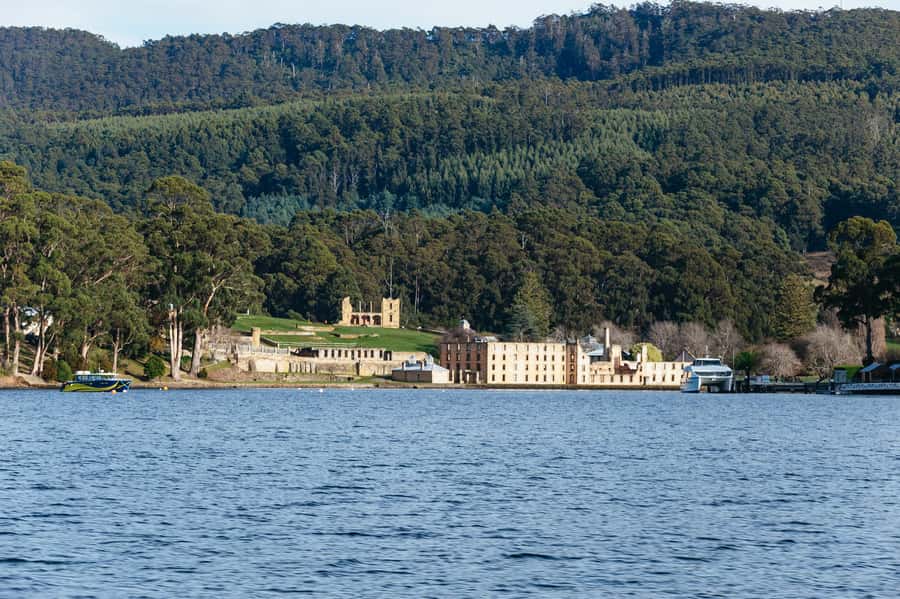
I would choose this for anyone staying around Port Arthur who wants more than the historic site and land-based views. It suits adults, families and anyone comfortable with an active ocean ride, since there is no minimum age listed.
It is especially good for photographers, birdwatchers, wildlife fans and people who enjoy dramatic geology. You do not need specialist knowledge. The guides explain what you are seeing, and the route offers plenty of variety even if you simply want to watch the coast pass by.
I would think twice if you need a quiet, stable boat, dislike cold weather or have serious motion sensitivity. You can reduce the discomfort with warm clothing, a rear seat and suitable seasickness preparation, but you cannot remove the movement from an open-water trip.
Should you book the Tasman Island Wilderness Cruise?
Yes, if you want to experience the Tasman Peninsula from sea level and are prepared for a brisk, bouncy ride. The combination of Cape Pillar’s enormous cliffs, sea caves, seabirds, seals and possible dolphins gives the cruise real substance.
Book it as a wilderness outing, not a guaranteed animal encounter. Bring more warm clothing than you think you need, take the supplied coat, keep your bag small and be ready for the route to change with the weather. For most visitors spending time near Port Arthur, this is one of the strongest ways to see the coast.
FAQ
How long is the Tasman Island Wilderness Cruise?
The cruise lasts three hours.
How much does the cruise cost?
The listed price is $127 per person.
Where does the tour meet?
You meet at the Tasman Island Cruises office. A bus transfer of about 20 minutes may take you from the office to the boat.
What wildlife might I see?
You might see seals, dolphins, migrating whales, albatross, gannets, sea eagles, cormorants, peregrine falcons, short-tailed shearwaters, gulls and sooty oystercatchers.
What should I wear?
Wear comfortable shoes, warm layers, gloves and thermal clothing. A beanie is also useful. The operator provides a full-body waterproof coat, but warm clothing underneath is still important.
Does the cruise operate every day?
Yes, cruises depart daily, with starting times depending on availability. The route can change with weather and sea conditions.
Just added around Australia
- Cruise Ship Flinders Chase Tour★ 5.0 · 4 reviews
- CRUISE SHIP Wildlife Tour★ 5.0 · 8 reviews
- Shore Excursion: Nipaluna (Hobart) Highlights★ 5.0 · 5 reviews
- Shore Excursion – nipaluna (Hobart) Highlights★ 5.0 · 2 reviews
- Cruise Ship – Port Arthur Shore Excursion – Hobart★ 5.0 · 15 reviews
- Shore Excursion Hobart and Coal River Valley★ 5.0 · 7 reviews
- Hobart Shore Excursion: Bonorong Bus★ 5.0 · 4 reviews
- Skyrail Rainforest Cableway Day Trip from Port Douglas★ 4.5 · 27 reviews
National Parks, compared.
Tasman Peninsula Wilderness Cruise from Port Arthur
Read our review →
Shore Excursion – National Park Tierra del Fuego
Read our review →
Tierra del Fuego National Park, Ushuaia City Tour Shore Excursion
Read our review →
Hilo Cruise Ship Excursion: Volcanoes National Park Rainbow Falls
Read our review →

Volcanoes National Park Adventure Tour – Hilo Shore Excursion
Read our review →
Addo Elephant National Park from Port Elizabeth – FD01
Read our review →
Ushuaia Shore Excursions Tierra del Fuego National Park
Read our review →Browse the lists this tour appears in