
REVIEW · PUERTO MADRYN
From Puerto Madryn: Peninsula Valdés Shore Excursion
Peninsula Valdés is one of Argentina’s best places to look for wildlife in the wild, and this shore trip gives you a full day among its wind-cut coast, salt flats, and open scrub. Sea lions, elephant seals, penguins, and guanacos are all possible, while orcas remain a lucky and seasonal sighting rather than a promise.
I like the broad route and the chance to see both marine and land animals. I also like that guides such as Mariano and David have been praised for explaining the area’s wildlife, geology, and history in clear detail. The main catch is season and route: in early March, some colonies can be nearly empty, and the long drive means you must keep a close eye on the return time to your ship.
Key points to know before booking
- The trip takes seven hours, including about 90 minutes of total van travel between Puerto Madryn and the peninsula.
- The route changes with tides, weather, and season, so Caleta Valdés, Punta Cantor, Punta Norte, or Punta Delgada may be visited.
- The Carlos Ameghino Interpretation Center introduces the peninsula’s animals, plants, geology, and major historical events.
- Wildlife is never guaranteed, especially penguins, elephant seals, whales, and orcas at the end of a season.
- The reserve entrance fee is extra, approximately $30 per person, and lunch is also at your own expense.
- Meeting the van is simple: look for the Yellow Penguin sign at the Administration Portuaria de Puerto Madryn.
Why Peninsula Valdés is worth the long ride
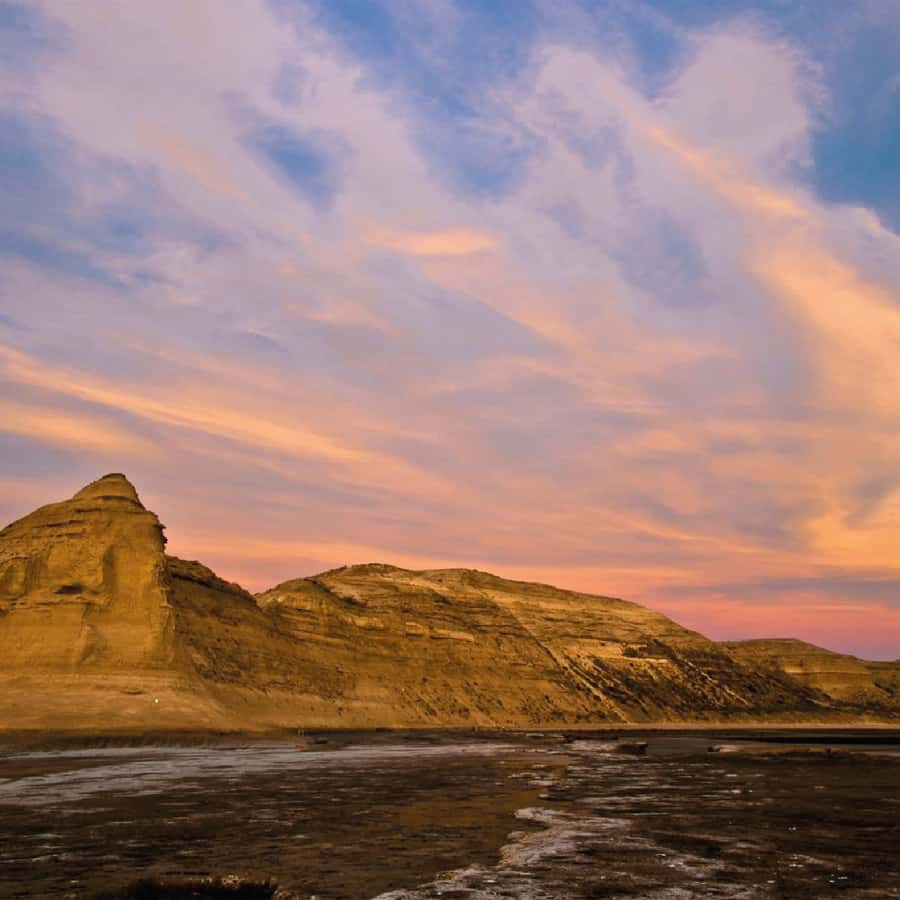
At first glance, this excursion can look like a long van journey with a few wildlife stops. That undersells it. Peninsula Valdés is a large protected area where dry Patagonian scrub reaches the Atlantic, and the appeal is the mix of habitats rather than one single animal.
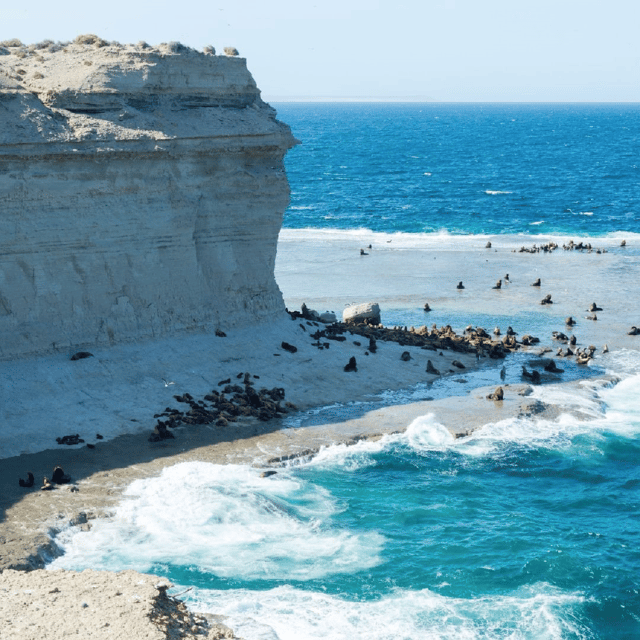
You may watch sea lions gathered on flat rocks below a cliff, scan the shore for elephant seals, and then spot guanacos or rheas crossing the open ground. Maras, foxes, armadillos, and flamingos are also possible. The scenery does much of the work between sightings, with broad skies, low vegetation, salt flats, and long views over the gulfs.
I would choose this excursion for the setting as much as for the animals. A whale or orca sighting would be memorable, but the trip still has value when the larger creatures stay out of view. The peninsula’s size and exposed coast help you understand why timing matters so much.
A few more shore excursions around Puerto Madryn worth a look
- Cruise Shore Excursion Peninsula Valdes – Pto Madryn – Patagonia – Argentina
★ 4.0 · 111 reviews - Cruise Shore Excursion Punta Tombo with Boxlunch from Pto Madryn
★ 5.0 · 79 reviews - Shore Excursion Punta Tombo cruise passengers Puerto Madryn
★ 5.0 · 51 reviews
From Puerto Madryn port to the Carlos Ameghino center
You meet the local guide at the port, beside the Yellow Penguin sign. The ride to Peninsula Valdés takes about 45 minutes, followed by roughly five hours exploring the reserve and another 45 minutes back to Puerto Madryn.
That drive is not just dead time. It moves you from the port and city into a much wilder part of Chubut Province. Still, you should be ready for a full day in a vehicle. If you have limited mobility, confirm the practical details before booking, even though the activity is listed as wheelchair accessible.
The first main stop is the Istmo Carlos Ameghino Interpretation Center. This is the right place to begin because it gives the wildlife context. You learn about local plants, animals, geology, and historical events before heading to the coastal viewpoints.
From the panoramic lookout, you can see Golfo Nuevo, Golfo San José, and Isla de los Pájaros. The view helps explain the peninsula’s unusual shape and its sheltered waters. Take a few minutes here before rushing to the next animal stop. The geography is part of the experience, not just a backdrop for photographs.
Choosing between Caleta Valdés, Punta Cantor, and Punta Norte
The exact route is not fixed. Weather, tides, daylight, and the condition of the animal colonies affect the day’s plan. That flexibility is useful, but it also means you should not book this expecting a guaranteed checklist of stops.
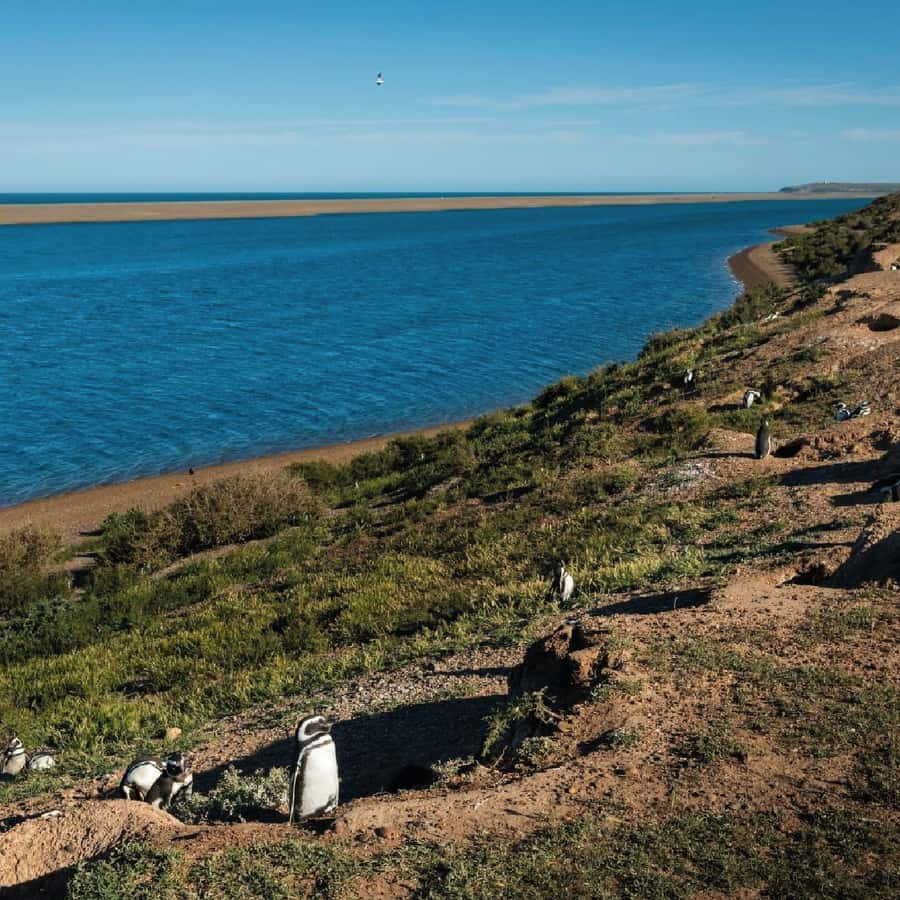
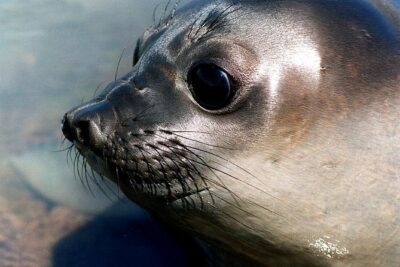
Caleta Valdés and Punta Cantor are important coastal areas for marine wildlife. Depending on the season, you might see elephant seals and penguins, often from marked trails and viewpoints rather than at close range. Respecting that distance matters. These are wild animals, not a staged display, and the guide’s instructions help protect both you and them.
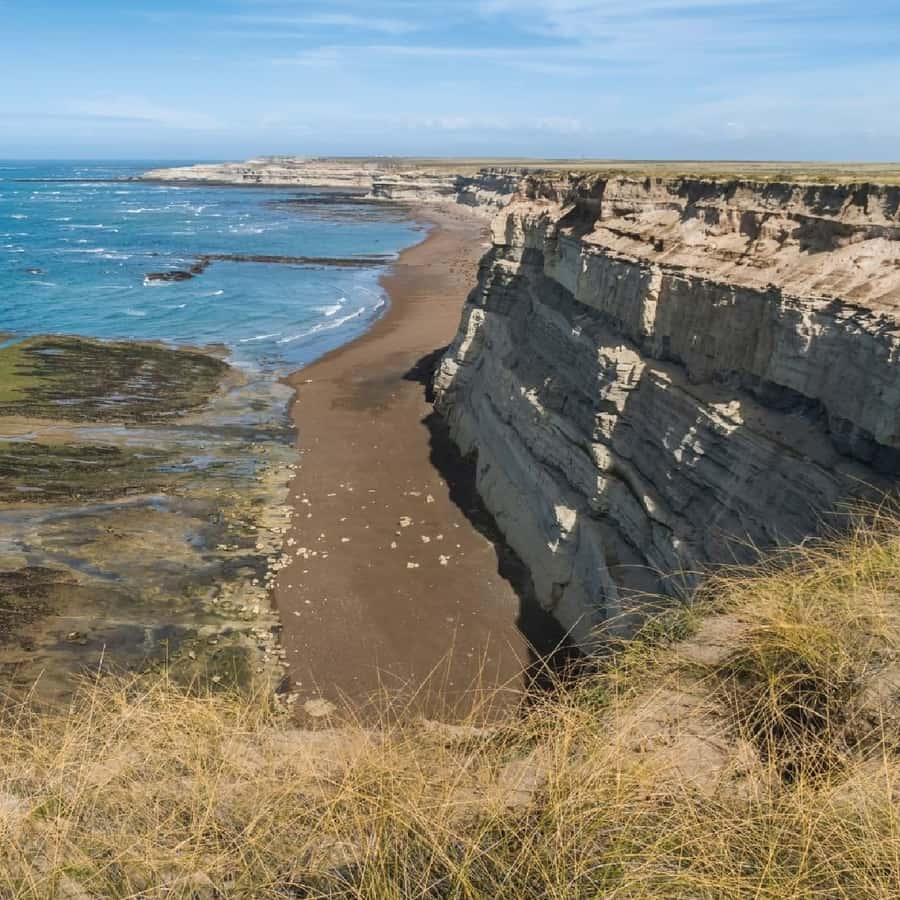
Punta Norte is another possible stop, with sea lions and elephant seals among the main attractions. One particularly appealing feature is the chance to look down from a rocky viewpoint toward sea lions resting on low, flat rocks near the water. You may need binoculars for a better view, so pack them if you have them.
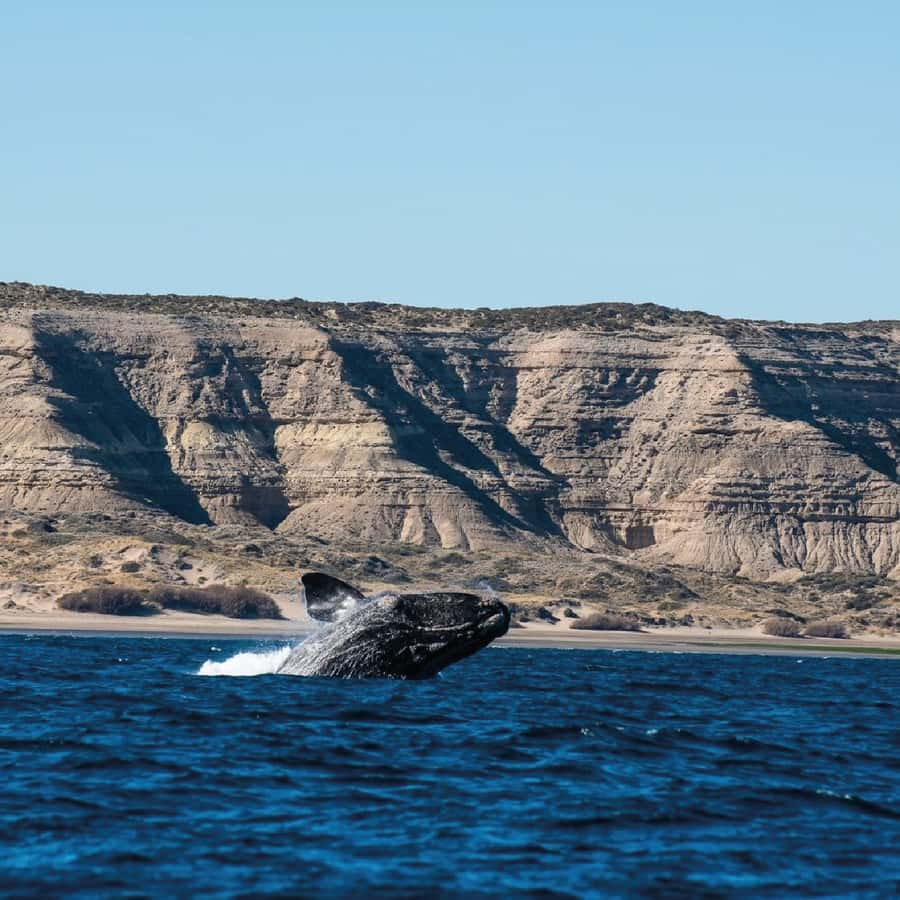
Orcas are the most dramatic possibility, but keep your expectations sensible. Their appearance depends on season, tide, weather, and sheer luck. The activity presents them as a possible sighting, not a sure thing. If you are booking mainly to see orcas, this is a gamble.
If conditions prevent a visit to Punta Norte, the route may shift to Punta Delgada at the peninsula’s southeastern end. There you can see a historic lighthouse and an elephant seal colony. The change of plan is not a failure. Punta Delgada offers a different coastal view and can be a useful alternative when sea conditions or timing affect the northern route.
What wildlife you can really expect
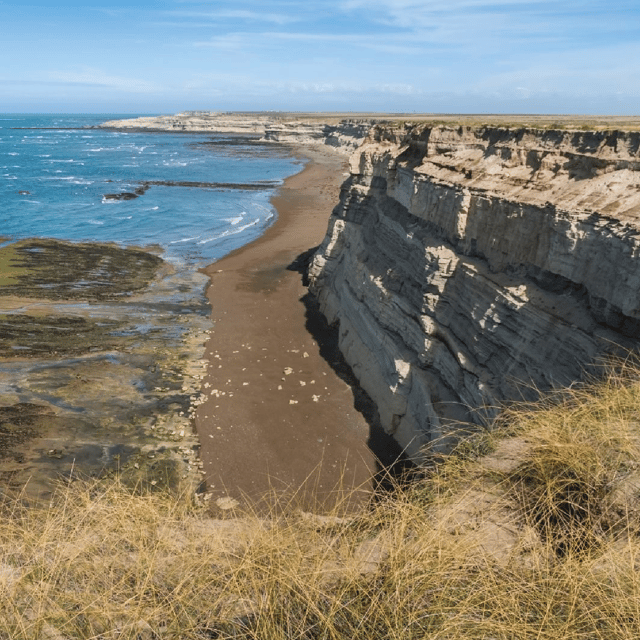
The biggest mistake would be treating every animal listed as a guarantee. Wildlife changes quickly. Penguins may be out at sea feeding, elephant seals may have left for the season, and sea lions may be present in numbers one day and harder to spot the next.
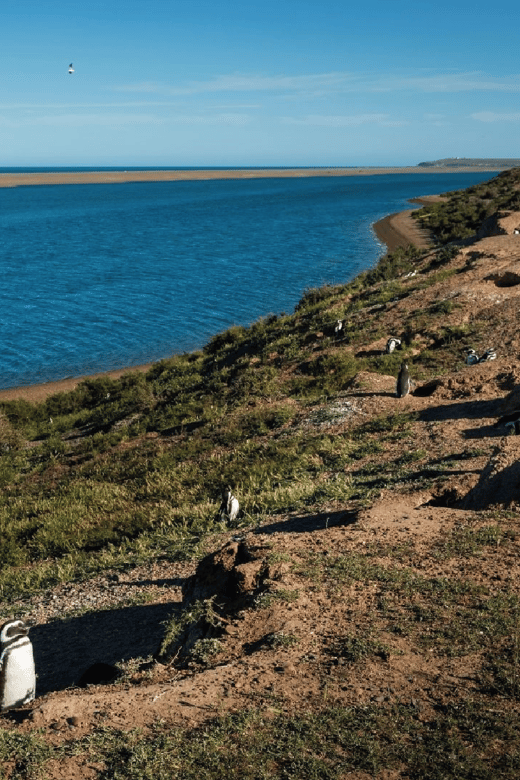
The March experience is a good warning. At that time, one outing found only a few penguins and around six female elephant seals still in the area. Another group saw about 20 sea lions and considered them the highlight. That is not a reason to dismiss the peninsula, but it is a reason to match your expectations to the calendar.
A large Magellanic penguin colony is said to lie farther north, but this excursion may not reach it. If seeing vast numbers of penguins is your main goal, ask the operator exactly which colony the day’s route is using and what is normally present during your dates.
You also have a better chance of seeing smaller, land-based wildlife while driving between stops. Guanacos, maras, rheas, foxes, and armadillos may appear beside the road or in the open scrub. Guides can slow or stop the vehicle for photographs when it is safe to do so. These sightings are often quick, so keep your camera ready and avoid assuming every pause means a major animal is nearby.
Flamingos have also been spotted on some outings, and the two significant salt flats add another point of interest. They are described as the deepest depressions in South America, which gives the geology lesson a memorable edge. The salt flats are not a quick animal stop, but they show how varied the peninsula is beneath its dry surface.
Same port, a different day ashore:
- Cruise Shore Excursion Ea San Lorenzo Peninsula Valdes – Patagonia – Argentina
★ 4.5 · 43 reviews - Puerto Madryn: Punta Tombo Shore Excursion for Cruise Guests
★ 4.6 · 25 reviews - Puerto Madryn: Punta Loma Shore Excursion
★ 4.3 · 22 reviews - Cruise Shore Excursion Peninsula Valdes – Box Lunch Included
★ 3.7 · 14 reviews
Guides make the difference on a long day
A good guide matters here because the animals may be far away and the route can change. You need someone who can explain what you are seeing, answer questions, and make a quiet stretch of road feel purposeful.
Mariano and David have both been singled out for clear explanations and strong knowledge of the peninsula. The most useful guiding combines natural history with practical spotting advice: where to look, how far away an animal is, and why a colony may be empty at a certain time of year.
Language support is available in English, Spanish, and Portuguese. That is especially helpful at the interpretation center and when the guide explains route changes. The quality of communication can still vary by guide, so if detailed explanations are important to you, it is sensible to confirm your preferred language when booking.
The best guides also handle the less exciting parts well. Five hours in a van is easier when you understand the terrain, know what the next stop offers, and can ask about the animals along the way.
The shore excursion timing deserves serious attention
For a cruise passenger, the return to port is the practical issue I would watch most closely. The advertised length is seven hours, with the ship waiting at Puerto Madryn. The drive back takes about 45 minutes, but delays can come from wildlife stops, road conditions, weather, or a slower-moving member of the group.
One March outing returned close enough to sailing time to cause real anxiety. A person with mobility issues also found the pace and driver awareness less than ideal. I would not ignore that warning. Ask for a clear return target, tell the guide at the start if you need extra time, and keep personal shopping or a long meal off the schedule.
The included transport is a local guided transfer rather than a private luxury vehicle. That keeps the $112 price reasonable, but it also means the group’s pace affects you. If the ship’s departure time is strict, choose a tour with a firm port-return policy and avoid treating the full seven hours as flexible sightseeing time.
The activity is listed as wheelchair accessible, but the details of trails, viewpoints, vehicle access, and outdoor surfaces are not provided. Contact the operator before booking if you use a wheelchair or need help at stops.
What the $112 price really includes
The listed price is $112 per person. That covers the guided transfer and local guide, but it does not include the reserve entrance fee, which is approximately $30 per person, or lunch. Your practical cost is therefore closer to $142 before food.
That can still be fair value for a cruise passenger. You get transport from the port, a full guided day, interpretation at the Carlos Ameghino center, access to several possible wildlife areas, and help managing a large reserve in a short window. Organizing that independently would require arranging transport and working out which areas are open and worthwhile on your date.
The value drops if your only target is one specific colony or one specific animal. A long ride to see three penguins or a handful of seals can feel expensive, especially when a larger colony lies outside the route. The tour works best when you value scenery, natural history, varied wildlife, and the convenience of returning to the port with transport arranged.
Bring money or a card for lunch, since food is not included. The route includes time for a meal, but the exact restaurant and length of the stop can affect how much time remains for wildlife viewing. I would prefer a shorter lunch if the animals are active and the day is running late.
What to pack for Patagonia’s open coast
Wear comfortable walking shoes and clothing suited to changing weather. The peninsula is open and exposed, so a hat, sunscreen, and water are basic necessities rather than optional extras.
Bring binoculars if you own them. Sea lions, elephant seals, birds, and other animals may be below cliffs or across open ground. A camera with a zoom lens is useful, but do not spend the whole day looking through it. Some of the best moments are brief and easy to miss while adjusting settings.
A practical packing list includes:
- Comfortable walking shoes
- Hat and sunscreen
- Water
- Camera
- Binoculars
- Weather-appropriate layers
You should also follow the guide’s instructions around animals and stay on the marked paths. The point is to see wildlife behaving normally, not to push closer for a better photograph.
Who should book this excursion?
I would recommend it to cruise passengers who want a broad introduction to Peninsula Valdés and are comfortable with a long day. It suits people who enjoy scenery and natural history as much as close animal encounters.
Families and casual wildlife watchers may like the mix of guanacos, maras, birds, sea lions, and coastal views. Photography fans should enjoy the range of subjects, though they need patience and realistic expectations about distance.
I would be more cautious if you have limited mobility, dislike long van rides, or need a large amount of spare time before your ship sails. I would also hesitate if your only goal is a huge penguin colony, whales, or orcas. Those sights depend heavily on timing, and this route may not reach the strongest penguin site.
The free cancellation window and reserve-now, pay-later option give you some flexibility, but the most important choice is still your travel date. Wildlife conditions matter more here than a polished promise of what you might see.
Should you book the Peninsula Valdés shore excursion?
Book it if you want a well-organized overview of the peninsula, with a chance to see marine and land animals without arranging a vehicle yourself. The Carlos Ameghino center, broad gulf views, seasonal wildlife stops, and guides such as Mariano or David can make the day rewarding even when the animals are scattered.
Think twice if you are visiting at the end of a wildlife season or need a relaxed return to your ship. Ask which route and colony are planned for your date, budget about $30 extra for entry, and treat orcas and large penguin numbers as lucky bonuses. With those limits in mind, this is a useful introduction to one of Patagonia’s most unusual coastal reserves.
FAQ
How long does the Peninsula Valdés shore excursion last?
The activity lasts seven hours. The journey includes about 45 minutes by van from Puerto Madryn to the peninsula, around five hours of guided exploration, and about 45 minutes back to the port.
Where do I meet the tour?
Meet at the Administration Portuaria de Puerto Madryn. The guide will be waiting with a Yellow Penguin sign.
Is the reserve entrance fee included?
No. The reserve entrance fee is approximately $30 per person and must be paid on the spot.
Are meals included?
No. Lunch is not included, but there is an option to stop for lunch at your own expense.
What languages are available?
The tour offers live guiding in English, Spanish, and Portuguese.
Can I see orcas on this excursion?
You may see orcas in some seasons, but sightings depend on timing, weather, tides, and luck. An orca sighting is not guaranteed.
Is the activity wheelchair accessible?
The activity is listed as wheelchair accessible. Since details about specific trails, viewpoints, and vehicle access are not provided, contact the provider before booking if you need particular assistance.
Just added around Puerto Madryn
- Shore Tours Peninsula Valdes Puerto Madryn Cruise Passengers★ 4.2 · 4 reviews
- Punta Tombo for cruise-ship passengers★ 4.5 · 2 reviews
- Punta Tombo Shore Excursion for Cruise Passengers + City★ 5.0 · 4 reviews
- Punta Loma + Ranch Shore Excursion for cruise passengers★ 5.0 · 4 reviews
- Punta Loma Shore Excursion with City tour★ 5.0 · 3 reviews
- Puerto Madryn: Punta Loma Shore Excursion★ 4.3 · 22 reviews
- Puerto Madryn: Punta Tombo Shore Excursion for Cruise Guests★ 4.6 · 25 reviews
- Peninsula Valdes: Shore excursion for cruise passengers★ 3.6 · 8 reviews
Puerto Madryn Shore Excursions, compared.
Cruise Shore Excursion Peninsula Valdes – Pto Madryn – Patagonia – Argentina
Read our review →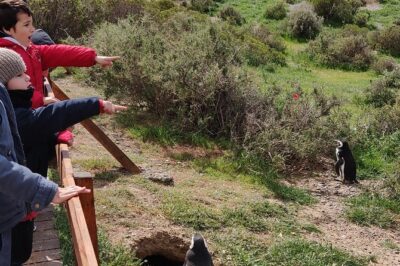
Cruise Shore Excursion Punta Tombo with Boxlunch from Pto Madryn
Read our review →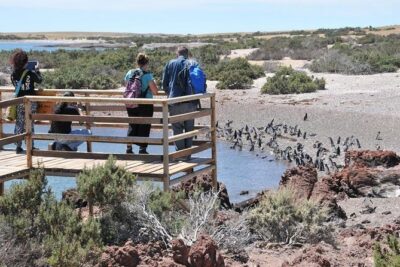
Shore Excursion Punta Tombo cruise passengers Puerto Madryn
Read our review →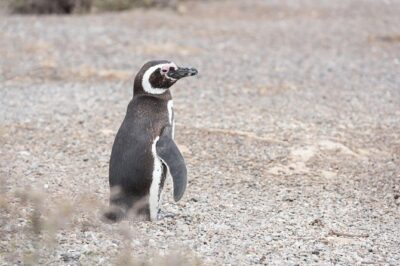
Cruise Shore Excursion Ea San Lorenzo Peninsula Valdes – Patagonia – Argentina
Read our review →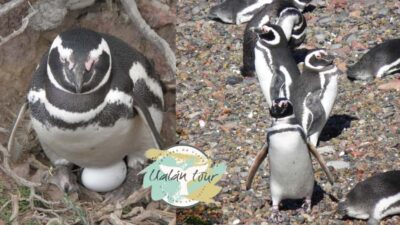
Puerto Madryn: Punta Tombo Shore Excursion for Cruise Guests
Read our review →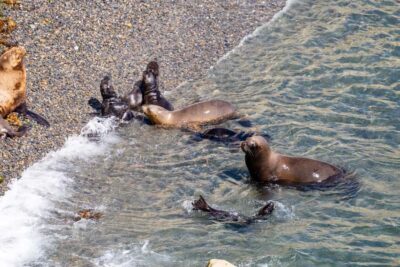

Cruise Shore Excursion Peninsula Valdes – Box Lunch Included
Read our review →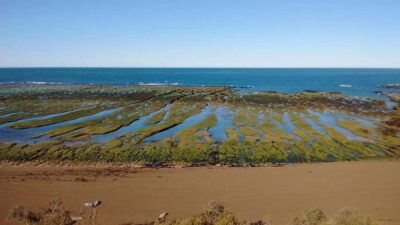
Peninsula Valdes: Shore excursion for cruise passengers
Read our review →Browse the lists this tour appears in