
REVIEW · TAURANGA
Tauranga Shore Excursion: Rotorua Highlights
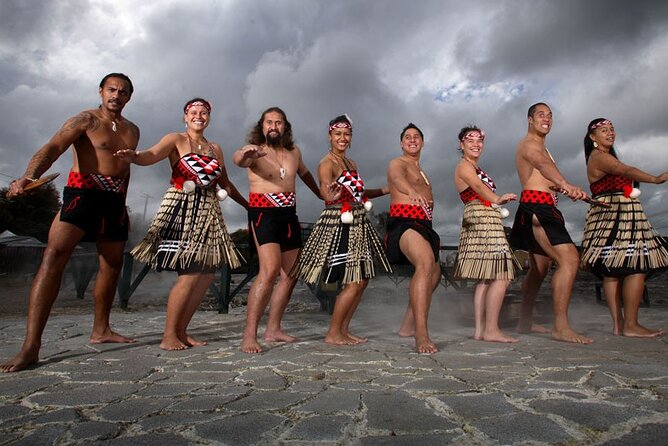
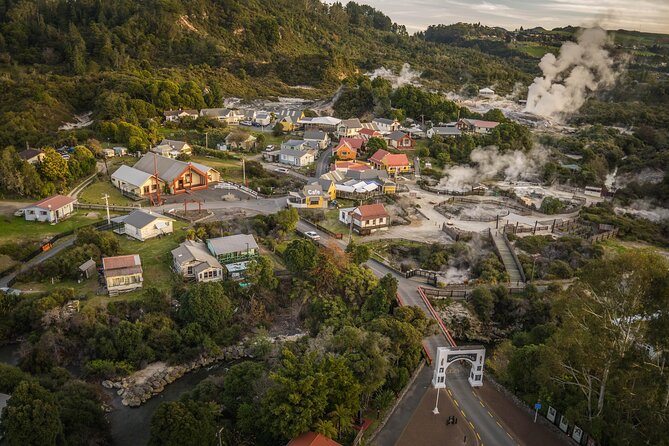
Rotorua’s Whakarewarewa Living Māori Village is the heart of this full-day outing. You walk through a real geothermal community, watch the Pohutu Geyser erupt, see mud boil, and learn how hot water and steam are used for cooking and bathing. A Māori guide leads the visit, followed by song, dance, and haka.
I like the kiwifruit orchard stop, where you can see fruit growing on the vine and taste local varieties. I also like the careful ship timing. The tour operator adjusts departure and return times around cruise schedules, and the port meeting point is only a two-minute walk from where you disembark.
The trade-off is distance. Rotorua is about 1.5 hours from Tauranga, so some of your day is spent on the bus. The shorter stops at the redwood forest, gardens, and Kaituna Falls can also feel rushed, especially when the main Māori visit is given priority.
At a glance: what this Tauranga excursion delivers
- Two hours at Whakarewarewa: See Pohutu Geyser, steaming pools, bubbling mud, and a Māori village built around geothermal activity.
- A real taste of Bay of Plenty farming: Visit a kiwifruit orchard in Te Puke, New Zealand’s kiwifruit capital, and sample local fruit.
- A ship-friendly schedule: Pickup and return times can be changed to match your ship’s arrival and sailing time.
- A full Rotorua sampler: Add redwoods, Government Gardens, lunch, and Kaituna Falls to the cultural visit.
- Live commentary on the road: Guides such as Stephen, Rolf, and John provide background on Tauranga, Rotorua, Māori traditions, and local industry.
- A moderate activity level: Expect walking on uneven ground at the geothermal site, plus a long bus ride and several short stops.
Why the Māori village is the main event
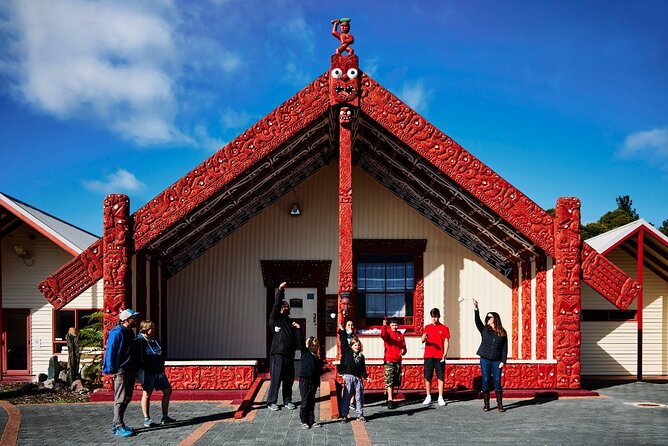
If you choose this excursion, choose it for Whakarewarewa. The visit gives you more than a quick look at geysers. A Māori guide explains how families live among hot springs and vents, and how geothermal heat has practical uses in daily life.
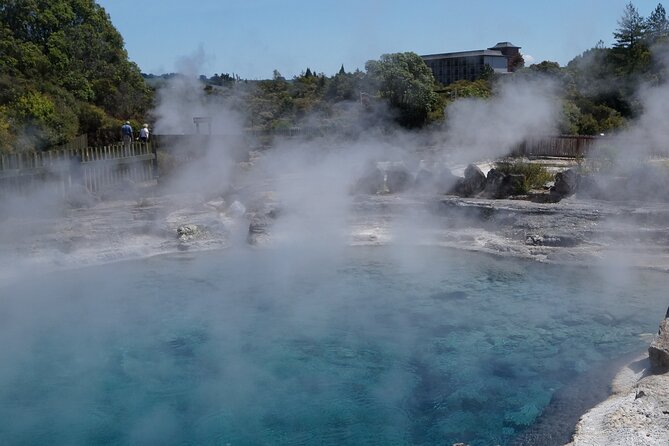
The village sits in an area where hot water, steam, and volcanic activity are part of the setting. You may see cooking methods using boiling geothermal water, steaming pools, and food prepared by heat from the ground. Corn cooked in a boiling pool is one of the local tastings associated with the visit.
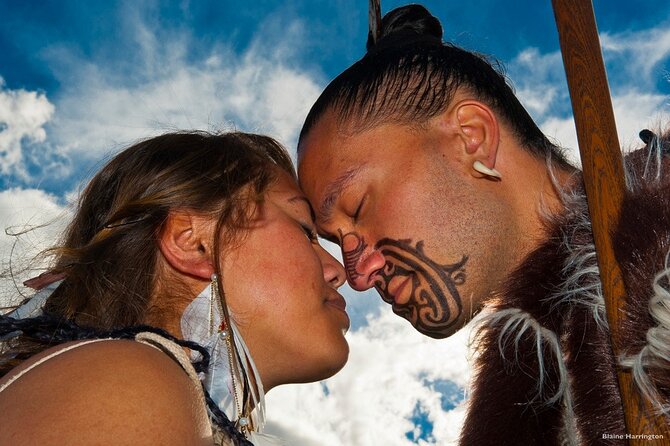
The cultural program begins with a traditional welcome. You then see songs, stories, and dances, including the haka. The performance is not a decorative add-on. It gives the visit a clear cultural focus and helps explain Māori customs in a way that a simple sightseeing stop cannot.
The village guides have included local residents such as Kylie, Michael, Jessie, and Wes. Wes, in particular, has been described as someone who lived in the village all his life. That local connection matters here. You are not simply looking at a geothermal attraction. You are hearing how people have used this place and continued living here.
Allow roughly two hours for Whakarewarewa. You will walk, listen, watch the performance, and spend time around the hot springs and geyser area. Comfortable shoes are important because the ground is not always smooth, and the visit involves standing.
More City Highlights Shore Excursions in New Zealand
- Shore Excursion: V8 Trike, Peninsula and City Tour
★ 5.0 · 207 reviews - Lyttelton Shore Excursion: Christchurch Sightseeing with Antarctic Center
★ 4.5 · 194 reviews - Tauranga Shore Excursion: Top Half Day Curated Highlights Tour
★ 4.5 · 152 reviews
The long ride from Mount Maunganui to Rotorua
The tour begins at the Port of Tauranga in Mount Maunganui. From the disembarkation area, the meeting point is about a two-minute walk. The stated start time is 9:30 a.m., but the operator says departure and return times can be adjusted to fit the ship.
The ride to Rotorua takes about 1.5 hours. You pass through farmland, forest, and the lake country of the North Island. More than a dozen lakes are found in the wider route area, and the guide provides live commentary from the vehicle.
This is useful time if you like learning about the region as you travel. Guides such as Stephen and Rolf have received strong praise for explaining local places, history, and everyday life. The quality of the ride can depend on the guide and the vehicle microphone, so sit where you can hear clearly.
Bring a jacket even if Tauranga is warm. Rotorua’s weather can be cooler, and the tour includes outdoor stops. Sun protection is also sensible. You should use the restroom before boarding, since the ride is long and the first scheduled stop is brief. The operator has made extra comfort stops when needed, but you should not count on frequent breaks.
Te Puke and the kiwifruit orchard
Te Puke is known as New Zealand’s kiwifruit capital. The area supplies about 184 million trays each year, and the region is a major part of the country’s kiwifruit industry.
The stop is short, about 15 minutes, but it adds something specific to the day. At a private orchard, you can learn how kiwifruit grows and see fruit on the vines. Gold and red varieties may be available for tasting, along with fruit or juice prepared for the group.
I like this stop because it connects the scenery to the local economy. Many tours simply point out farms from the road. Here, you get closer to the crop and hear about the work behind a fruit that is widely exported.
Do not expect a long farm visit. You will not have time for a leisurely orchard walk. This is a compact introduction before the bus continues toward Rotorua, but it is more distinctive than a generic roadside photo stop.
Redwoods and Government Gardens
On arrival in Rotorua, the route includes the Whakarewarewa Forest, known for its tall Californian redwood trees. The forest covers more than 5,600 hectares and has walking and mountain-biking tracks.
The planned stop is about 15 minutes. That is enough to stretch your legs, use the restrooms, and look up at the enormous trunks. It is not enough for a forest walk or any of the longer tree activities. If you hoped to spend time among the redwoods, keep your expectations modest.
The short stop has a practical reason. The geothermal village does not have unlimited restroom capacity for large groups, so the forest provides a useful break before the main attraction. You can also take in the clean forest air and see a very different side of Rotorua.
The Government Gardens sit beside Rotorua’s lakefront in the center of town. The grounds are carefully maintained, and the site has importance to local Māori history because major battles took place there. The scheduled visit is about 15 minutes, though the actual stop can change if the ship has a shorter port window or the group is running late.
Some departures may only pass by the gardens rather than stop for a full walk. That can disappoint you if gardens are high on your list. The operator’s priority is getting everyone to Whakarewarewa and back to the ship on time.
Same port, a different day ashore:
- Bay of Islands Glow Worm Caves & Scenic Shore Excursion
★ 4.5 · 317 reviews - 6.5 hour Small-Group Rotorua Naturally Shore Excursion – Tauranga
★ 4.5 · 283 reviews - Dunedin Shore Excursion: Small-Group Tour of Dunedin and the Otago Peninsula
★ 4.5 · 270 reviews - Hobbiton Movie Set Shore Excursion from Tauranga (6 Hours)
★ 5.0 · 267 reviews
Lunch in Rotorua, with your own budget
Lunch is not included in the $152.04 price. The group stops at a café or food court in Rotorua, with roughly 45 minutes to buy a meal or walk near the lakefront.
This arrangement gives you some choice, but it is not a hosted local-food lunch. You pay for your own food and drinks, and the exact venue can depend on what is available and how the day is running. One stop has been described as an ordinary shopping mall food court, which may feel less special than a small local restaurant.
That is worth knowing before you book. The included local tastings refer to the orchard and cultural visit, not a full lunch. Budget extra for the midday meal, and keep it quick so the group can stay on schedule.
If your ship’s time in port has been shortened, lunch may be compressed or skipped by agreement with the group. That can give you more time at the main attraction, but it also means you should not assume the itinerary will unfold at exactly the advertised pace.
Geothermal Rotorua at Whakarewarewa
After lunch, you return to the day’s strongest stop. Whakarewarewa combines Māori culture with one of Rotorua’s most striking geothermal areas.
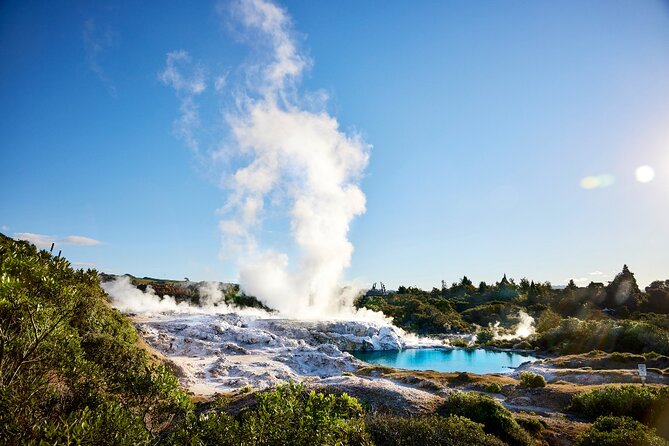
You will see hot springs, mud pools, steam vents, and the Pohutu Geyser. Pohutu can erupt more than once in a day, though the exact timing is controlled by natural conditions. The sight of a geyser sending water and steam upward is the visual centerpiece.
The geothermal area looks almost otherworldly, but the guide keeps the focus on practical life. Māori residents have used the heat for cooking, bathing, and other daily purposes. That connection between the ground beneath your feet and the village’s way of life is what gives this stop its value.
The cultural performance follows the guided walk. Expect singing, dance, and the haka. Some people come mainly for the geyser and find the performance an equally memorable part of the visit. Others come for Māori culture and appreciate seeing it presented by people connected to the community.
You need to be comfortable standing and walking over uneven surfaces. The visit is not a difficult hike, but it is not ideal if you cannot walk steadily or remain on your feet. Tell the guide if you need help. One guide has gone out of his way to accommodate a passenger with mobility needs, though the tour is not described as wheelchair-specific.
Kaituna Falls on the return trip
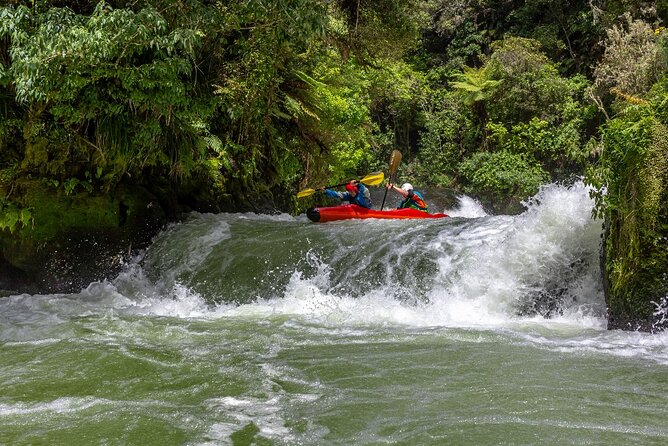
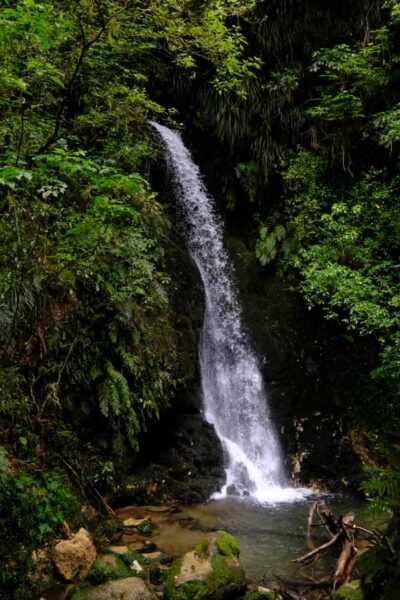
The last scheduled stop is Kaituna Falls and the nearby trout pool and rapids. The Kaituna River flows from the Rotorua lakes, and this section is associated with white-water rafting and kayaking.
You may see rafters or kayakers moving through the rapids. The river is described as a grade 5 white-water area, and New Zealand’s top kayaker trains there. The stop lasts about 20 minutes, so you will have time for a short look and photos rather than a full river experience.
This stop divides opinion. If you enjoy outdoor sports, it gives you a glimpse of how local people use the river. If your priority is Māori culture, geysers, or redwoods, it may feel like an extra restroom and photo break.
The waterfall itself is not the main reason to book this tour. Think of Kaituna as a final change of scenery before the ride back to Tauranga.
Timing, group size, and ship protection
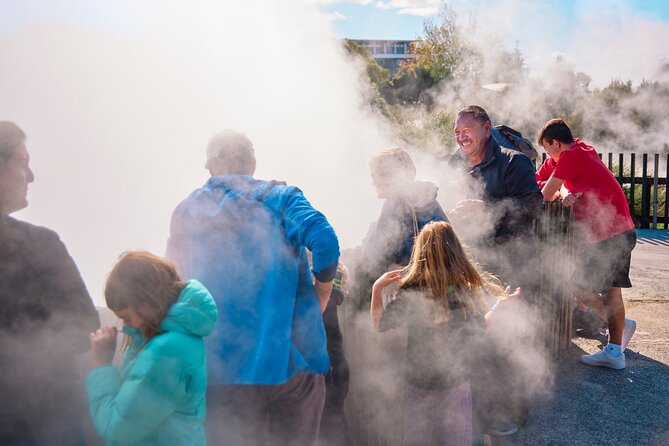
The excursion lasts about seven hours and allows a maximum of 40 people. Actual groups can be smaller, and a small group makes it easier to hear the guide and adjust the pace.
Ship timing is a major strength. The operator has run shore excursions for more than 10 years and says it will amend the start and end times around your ship’s schedule. The tour returns to the Mount Maunganui meeting point, close to the port.
The stated guarantee is reassuring: if a rare delay caused you to miss the ship, transportation to the next port would be arranged. If the ship is delayed and you cannot take the tour, the money is refundable under the stated conditions. Still, you should confirm the exact departure time after booking, particularly if your ship changes its arrival schedule.
The day can feel tightly packed. A late disembarkation, a delayed bus departure, or a long village appointment can force the guide to drop a short stop. That is why the redwoods and gardens should be treated as bonuses, not promises of extended sightseeing.
Is $152.04 good value?
At $152.04 per person, this is not the cheapest way to see Tauranga or Rotorua. The price includes port pickup and return, an air-conditioned vehicle, a driver-guide, live commentary, the Whakarewarewa admission, and local tastings.
You are also paying for transport over a long distance and for the convenience of a ship-focused schedule. Renting a car would give you more control, but it would leave you responsible for navigation, parking, timing, and getting back to the port. This tour removes those worries and connects several major stops in one day.
The value is strongest if you want Rotorua’s Māori culture and geothermal activity but have only one cruise day. It is weaker if you want a relaxed pace, a long forest walk, a special lunch, or plenty of time at each minor stop.
Read the inclusions carefully. Lunch and drinks are not included. The local tasting is part of the tour, but you should bring money for your midday meal.
Who should book this day trip?
I would choose this excursion if you want a broad first look at Rotorua from Tauranga. It suits you if the Māori village, geyser, hot pools, and cultural performance are your main goals, and you are happy to accept a long ride and short sightseeing stops.
It also works well for cruise passengers who value port security. The flexible timing and return-to-ship policy are important when you are traveling far inland during a limited port call.
I would hesitate if you dislike bus rides, need a slow pace, or want to spend hours in the redwood forest. This is a packed sampler, not a leisurely Rotorua day. The most important advice is simple: use the restroom before the long ride, wear good walking shoes, bring layers and sun protection, and budget for lunch.
Should you book the Rotorua Highlights shore excursion?
Yes, if Whakarewarewa is the reason you want to visit Rotorua. The combination of a Māori guide, geothermal activity, Pohutu Geyser, and cultural performance is the strongest part of the day. The kiwifruit orchard is another worthwhile local touch, especially if you enjoy seeing how regional food is produced.
Book with realistic expectations about the rest. The redwoods, Government Gardens, and Kaituna Falls are short add-ons, and the lunch stop is practical rather than memorable. At this price, the tour earns its value through access, transport, cultural context, and ship-safe timing, not through a slow or luxurious schedule.
FAQ
Where does the tour meet in Tauranga?
It meets at Port of Tauranga, 2 Salisbury Avenue, Mount Maunganui. The meeting point is about a two-minute walk from the ship disembarkation area.
What time does the tour start?
The listed start time is 9:30 a.m., but departure times can be adjusted to match ship arrival and sailing times.
Is lunch included?
No. Lunch and drinks are at your own expense. The group stops at a café or food court in Rotorua, with about 45 minutes available.
How long is the tour?
The excursion lasts approximately seven hours, including the drive between Tauranga and Rotorua.
Is the tour suitable for people with limited mobility?
Most people can participate, but the Whakarewarewa visit includes walking and standing on uneven surfaces. Comfortable clothing and walking shoes are recommended.
What happens if my ship is delayed or the tour runs late?
The operator says it can adjust start and end times for ship schedules and guarantees an on-time return under its worry-free shore excursion policy. If the ship is delayed and you cannot attend, a refund is available under the stated terms.
Just added around New Zealand
- Quickie Tours 1 Hour City Sights Tour Cruise Ship days Only★ 4.5 · 6 reviews
- Otago Peninsula & Larnach Castle Shore Excursion★ 4.5 · 38 reviews
- Catlins Cruiser Private Tour from Dunedin Cruise Port★ 3.5 · 2 reviews
- Lyttelton Shore Excursion: Twin Harbour Tour (Lyttelton & Akaroa)★ 3.5 · 4 reviews
- Akaroa & Banks Peninsula from Lyttelton(Private Shore Excursion)★ 5.0 · 6 reviews
- Private Castle Hill & Inland Canterbury Shore Excursion★ 5.0 · 2 reviews
- Akaroa & Giants House Garden tour ex Lyttelton (Shore Excursion)★ 5.0 · 3 reviews
- Lyttelton Shore Excursion – Waipara Wine Tour With Lunch★ 4.5 · 19 reviews
Tauranga Shore Excursions, compared.
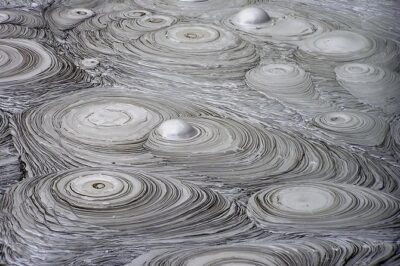
6.5 hour Small-Group Rotorua Naturally Shore Excursion – Tauranga
Read our review →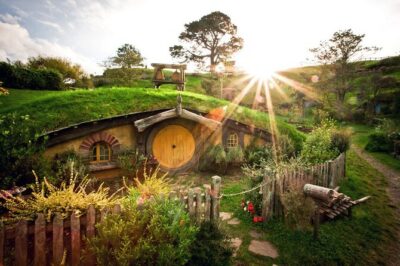
Hobbiton Movie Set Shore Excursion from Tauranga (6 Hours)
Read our review →
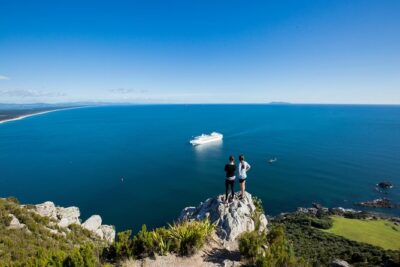
Shore Excursion: Local Tasting Tour from Tauranga
Read our review →
Kiwifruit Destination and Sights Shore Excursion
Read our review →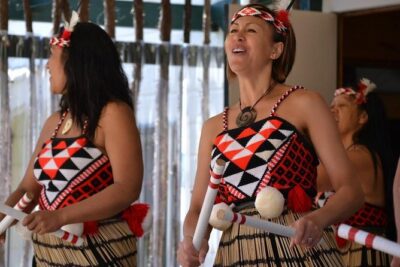
Browse the lists this tour appears in